

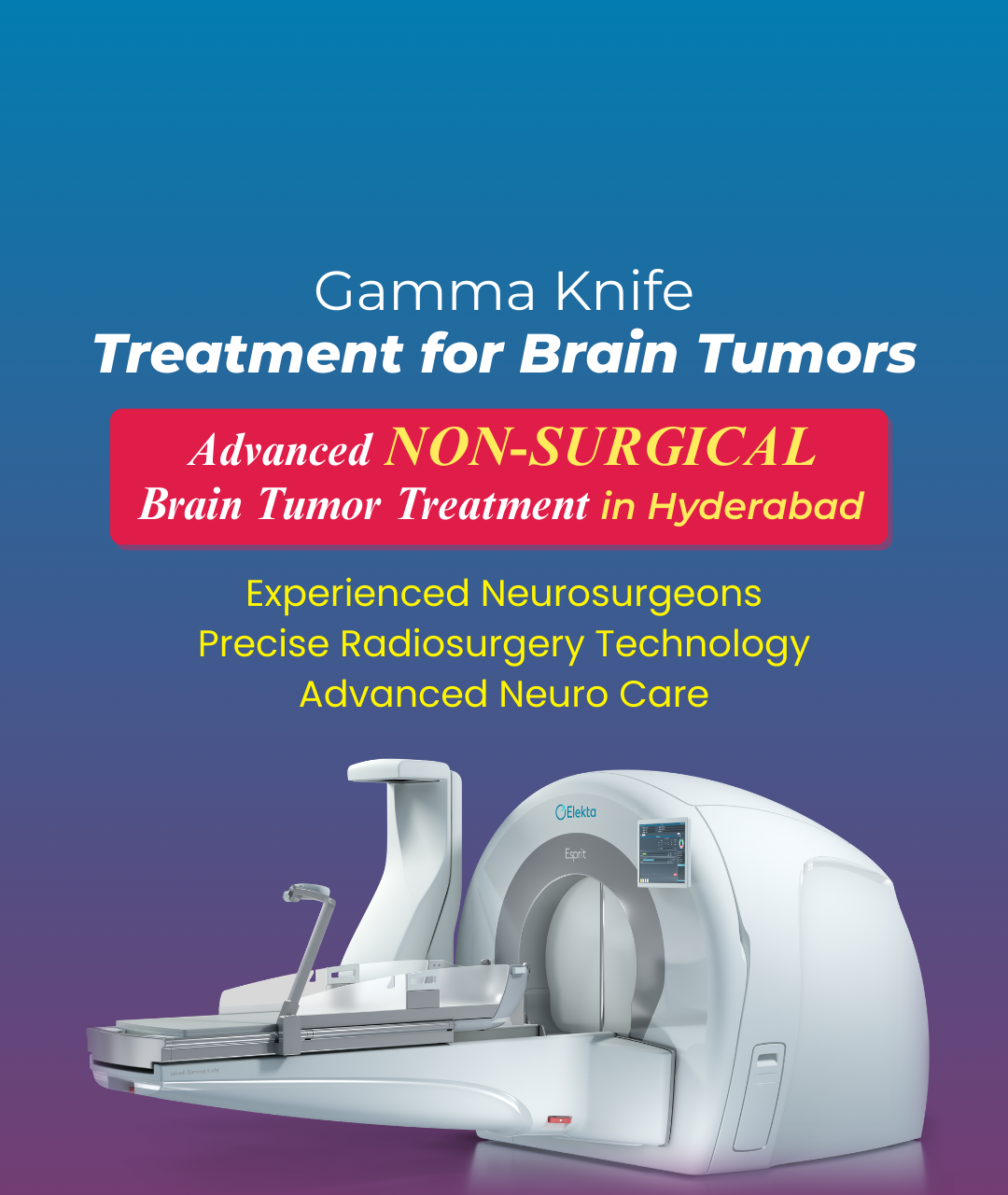
Gamma Knife
Treatment for Brain Tumors
Advanced NON-SURGICAL
Brain Tumor Treatment In Hyderabad
Experienced Neurosurgeons
Precise radiosurgery technology
Advanced neuro care
Common Brain Tumor Symptoms
Problems in the brain can show up in many ways — sometimes suddenly, sometimes gradually.
Brain tumors can cause a variety of symptoms depending on their size and location.
Persistent or severe headaches
Seizures or sudden loss of consciousness
Facial pain, tingling, or electric shocks
Hearing loss, balance, or vision issues
Tremors, weakness, or speech difficulty
Memory or personality changes
Conditions Treated with Gamma Knife
Gamma Knife radiosurgery is commonly used to treat several brain conditions with high precision — often without open brain surgery.
Brain Tumors
Benign tumors such as meningioma and other selected tumors
Tumors located deep inside the brain
Tumors not suitable for open surgery
Recurrent tumors after previous treatment
Acoustic Neuroma (Hearing Nerve Tumors)
Tumor affecting hearing and balance nerves
Helps control tumor growth
Preserves hearing and facial nerve function in many cases
Brain Metastases
Cancer that has spread to the brain from other organs
Can treat single or multiple brain metastases
Targets tumors while protecting healthy brain tissue
Arteriovenous Malformations (AVMs)
Abnormal blood vessel connections in the brain
Gamma Knife gradually closes the abnormal vessels
Helps reduce long-term bleeding risk
Trigeminal Neuralgia (Severe Facial Pain)
Severe facial pain not responding to medication
Targets the nerve causing pain
Can provide long-lasting pain relief without surgery
Pituitary Tumors
Small to medium pituitary tumors
Helps control tumor growth
Protects surrounding structures like vision and hormone centers
Is Gamma Knife the Right Treatment for My Brain Tumor?
Gamma Knife is not suitable for every brain tumor — and at KIMS, we will never recommend it unless it is genuinely the best option for your case. Here is how our neurosurgeons decide
Gamma Knife is typically recommended when:
- The tumor is 3 cm or smaller in diameter
- The tumor is located deep inside the brain or near critical structures where surgery is dangerous
- The patient is elderly or has other health conditions that make open surgery high-risk
- The tumor has returned after previous surgery or radiation
- There are multiple small brain metastases that can be targeted in a single session
- The patient prefers a non-surgical option and the tumor characteristics support it
Open surgery may still be recommended when:
- The tumor is large and causing immediate pressure on the brain
- Tissue needs to be removed urgently to relieve symptoms
- A biopsy is needed first to confirm the tumor type
In many cases, both are used together — surgery to remove the bulk of the tumor, followed by Gamma Knife to treat any remaining tissue with precision.
The only way to know for certain is an evaluation by a neurosurgeon experienced in both open surgery and radiosurgery — so the recommendation is not biased toward either approach.
Share your MRI with our team and get an honest assessment within 24 hours.

Dr. Manas Kumar Panigrahi
Head of Neurosciences & Senior consultant neurosurgeon with extensive experience in brain tumor surgery and Gamma Knife radiosurgery.
KIMS Secunderabad
Gamma Knife Radiosurgery at KIMS is performed under the leadership of Dr. Manas Kumar Panigrahi, a senior neurosurgeon with 30+ years of experience in treating complex brain conditions. With expertise in brain tumors, vascular malformations, epilepsy, and functional neurosurgery, Dr. Panigrahi ensures that Gamma Knife treatment is precisely planned, safely delivered, and tailored to each patient—while preserving normal brain function.
30+ years of experience
20,000+ neurosurgical procedures
Expertise in complex & deep-seated brain lesions
A Precise Treatment
Without Open Surgery
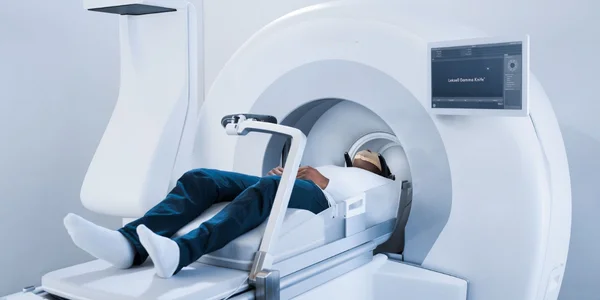
Gamma Knife Radiosurgery is an advanced, non-invasive brain treatment that uses highly focused radiation to target the problem area with extreme precision.
Why Neurosurgeons Recommend Gamma Knife
- Surgery is risky due to lesion location
- Condition is deep-seated or near critical structures
- Patients want a safer alternative to open surgery
- Residual disease after previous surgery
At KIMS Neurosciences, Gamma Knife is used as a primary treatment or as part of a comprehensive care plan, depending on each patient’s condition.
Every patient is evaluated individually by our neurosurgery and radiosurgery team to decide if Gamma Knife is the right option.
What is Gamma Knife Radiosurgery?
Gamma Knife Radiosurgery is a revolutionary, non-invasive treatment that uses highly focused beams of gamma radiation to target and destroy abnormal tissue in the brain — without the need for open surgery.
Despite its name, Gamma Knife isn’t an actual “knife”. Instead, it’s a form of stereotactic radiosurgery (SRS) that uses precise imaging and computer guidance to deliver radiation to a pinpoint target — typically accurate within less than 0.5 mm.
At KIMS Hospitals, Hyderabad, the Leksell Gamma Knife system enables neurosurgeons to treat complex brain conditions with surgical precision — but without incisions, anesthesia, or hospital stays.
Ready to Explore a
Safer, Non-Surgical Option?
Consult our Gamma Knife specialists and find out if you’re a candidate for this advanced treatment.
Our Testimonials
Patient Stories
Hear how patients regained control and confidence after Gamma Knife Radiosurgery at KIMS Hospitals.
Why Choose KIMS Hospitals for Gamma Knife in South India
Reasons patients trust us:

State-of-the-art Facility
Equipped with advanced Leksell Gamma Knife system

Expert Team
Neurosurgeons with extensive experience

Comprehensive Care
Full neuro care team for pre- and post-procedure management

Minimally Invasive
Alternatives to open brain surgery with precision

Trusted Outcomes
Patients across South India rely on us for safety and results
Ready to Explore a
Safer, Non-Surgical Option?
Consult our Gamma Knife specialists and find out if you’re a candidate for this advanced treatment.
Your Treatment Day: What to Expect

Stereotactic Frame
A lightweight frame or custom-fit mask keeps the head perfectly still during treatment.Precision Imaging & Planning
The patient undergoes an MRI or CT scan to map the exact location and size of the lesion or target area.

Dose Planning
Using specialized software, doctors plan the radiation dose — ensuring the highest accuracy with minimal impact on healthy brain tissue.Focused Radiation Delivery
Up to 192 gamma rays converge at the target point to deliver a powerful, localized dose that destroys the abnormal cells.

No Recovery Downtime
The procedure typically takes 1–3 hours, and most patients go home the same day.Gamma Knife Radio surgery is especially beneficial for patients with small tumors and for those who are not suitable for open brain surgery due to age, health or tumor location. It’s a safe, clinically proven and internationally recognised alternative that provides excellent long-term control for many neurological conditions.
Why Gamma Knife Treatment is a Clear Winner
Unmatched precision with minimal radiation exposure — less than 0.5% of the brain receives radiation, preserving neurocognition and enabling a superior quality of life.
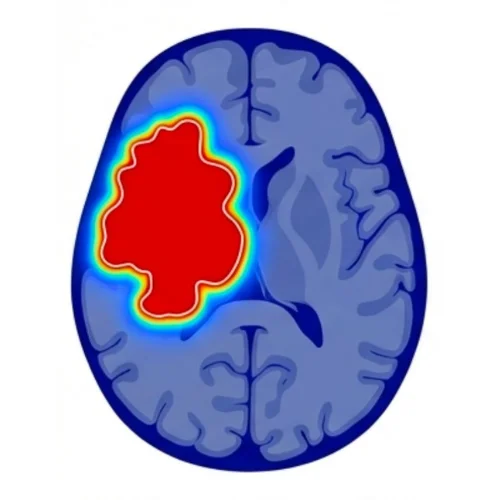
Gamma Knife
<0.5% of brain irradiated
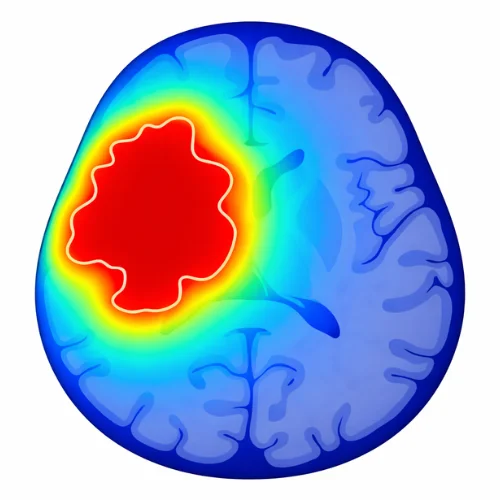
Zap X After
5-15% of brain irradated
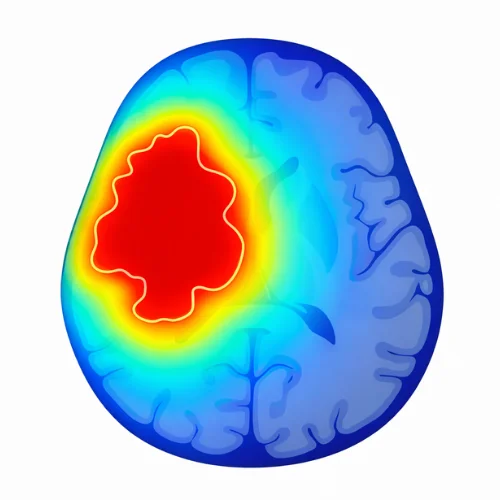
LINAC / CyberKnife
20–30% of brain irradiated
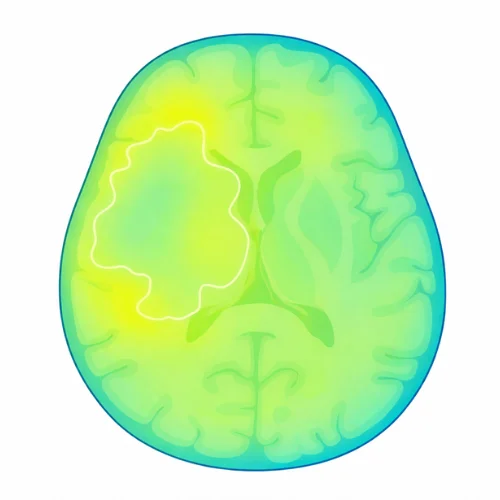
Whole Brain Radiation Therapy
100% of brain irradiatedr
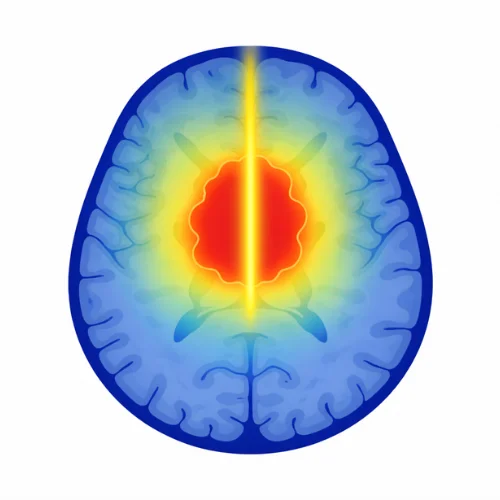
Proton Therapy
Irradiates column of healthy tissue
| Feature | Gamma Knife Radiosurgery | Zap X After | Linac based SRS | WBRT | Proton Therapy |
|---|---|---|---|---|---|
| Invasiveness | Non-Invasive (No Incision) | Non-invasive | Non invasive | Non-invasive | Non Invasive |
| Precision | Sub-millimetre, <0.5% brain irradiated | Moderate-5-15% brain | Lower, 20-30% of brain irradiated | None – 100% brain irradiated | Targeted dose with exit dose to surrounding areas |
| Cognitive Impact | Minimal to none, preserves neurocognition | Medium risk due to moderate radiation scatter | Higher risk than Gamma knife due to greater radiation scatter | High risk of progressive cognitive decline | Low to moderate risk depending on target size and location |
| Treatment Time | Single session (minutes to hours) | Single or multiple sessions | Single or multiple sessions | Multiple sessions over 2–3 weeks | Multiple sessions over several weeks |
| Recovery | 24–48 hours | Days to weeks | Days to weeks | Fatigue throughout treatment | Fatigue during treatment course |
Ready to Explore a
Safer, Non-Surgical Option?
Consult our Gamma Knife specialists and find out if you’re a candidate for this advanced treatment.
Got Questions? We’ve Got Answers.
Clinical Outcomes at a Glance
Evidence-backed results showcasing the precision and effectiveness of Gamma Knife Radiosurgery.
97%
Tumor Control Rate
829 patients with Acoustic Neuromas over 15 years
Source: Rich & Desai95.2%
5-Year Progression-Free Survival
Multi-center study of 5,300 meningioma patients
Source: Rich & Desai94%
Tumor Control at 5 Years
Non-functioning pituitary adenomas
Source: Rich & Desai91.7%
Patients Pain-Free
Median relief in 10 days for trigeminal neuralgia
Source: Healthline